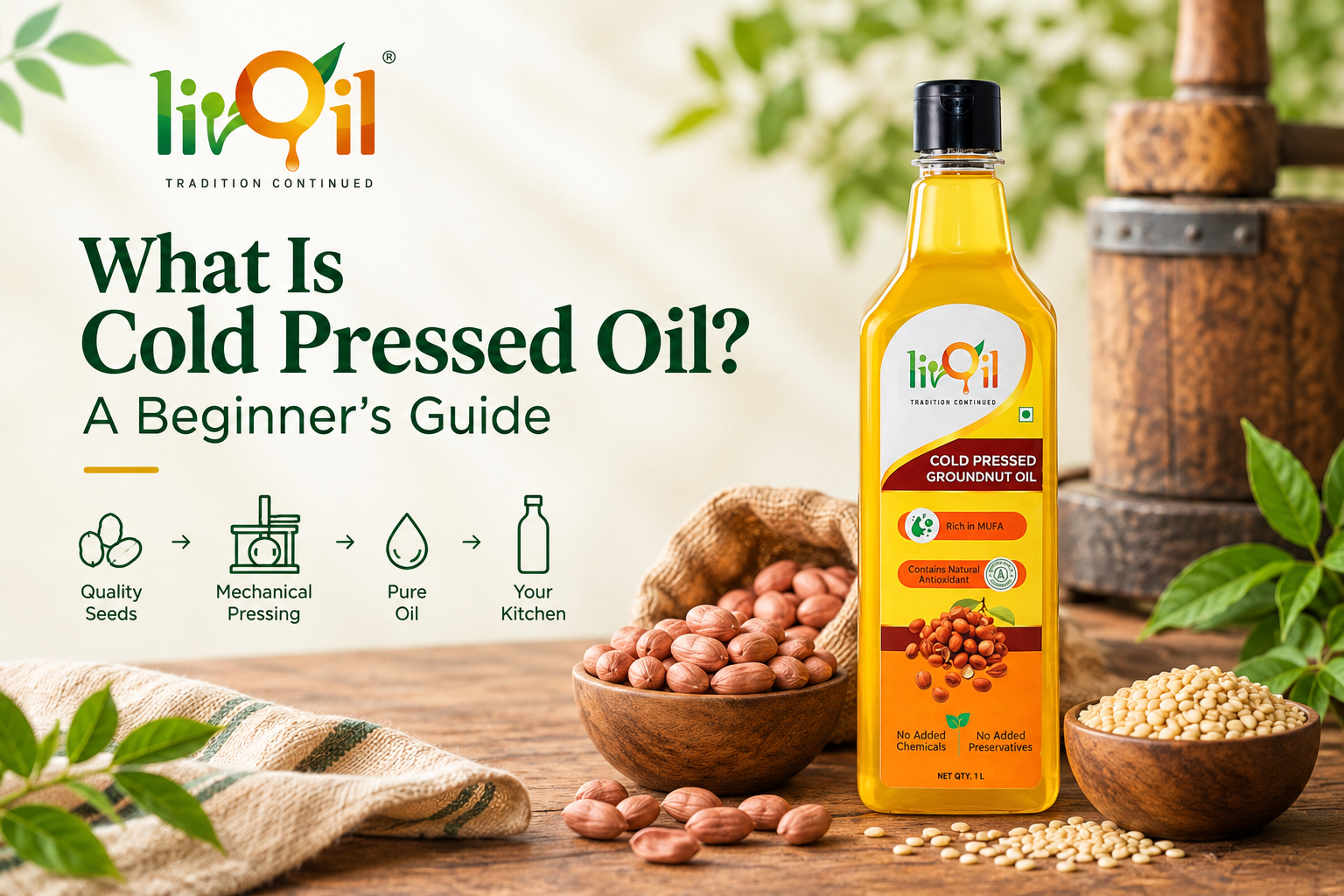
Have you noticed more people choosing cold pressed cooking oils instead of conventional refined oils?
You may have seen terms such as cold pressed, wood pressed, Lakdi Ghani and Kachi Ghani on cooking-oil bottles and wondered what they actually mean.
Commonly asked questions are-
- Is cold-pressed oil different from refined oil?
- How is it made?
- Why does it sometimes have a stronger aroma or a slightly different colour?
- How do you choose the right oil for your kitchen?
Let’s understand it from the beginning.
What Is Cold Pressed Oil?
Cold pressed oil is extracted from oilseeds using a Ghani pressing process, rather than extracting the oil using chemical solvents.
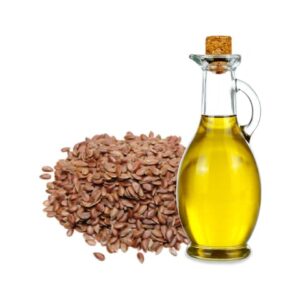
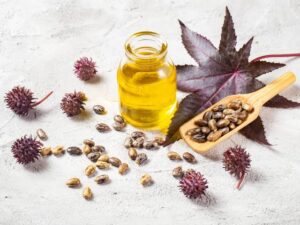
Oilseeds such as groundnuts, sesame seeds, sunflower seeds and mustard seeds contain naturally occurring oil. During pressing, the seeds are crushed or pressed to release that oil.
The resulting oil can retain more of the natural characteristics of the original oilseed, including its characteristic aroma, colour and flavour.
The exact processing method can vary between manufacturers, so it is always worth checking how a particular brand produces and filters its oil.
How Is Cold Pressed Oil Made in LivOil’s Thane factory?
The journey from seed to bottle can be surprisingly simple.
1. Selecting the Raw Material
Good oil begins with good raw material. Oilseeds are selected based on quality and then prepared for extraction. For example, different types of seeds can be used to produce groundnut, sesame, sunflower or mustard oil. Coconut, almonds also used to extract the oil.
2. Cleaning
The seeds are cleaned to remove unwanted material such as dust, stones, husks and other impurities. This is an important step because the quality of the raw material affects the finished oil.
3. Ghani pressing
The cleaned seeds are mechanically pressed to extract the oil. Traditional Ghani or wood-pressing methods are one form of mechanical oil extraction. Unlike solvent extraction, Ghani pressing does not rely on chemical solvents to extract the oil.
4. Settling and filtration
Freshly extracted oil can contain naturally occurring fine particles. The oil is allowed to settle before bottling.
Different brands use different filtration and settling methods, so consumers should check the manufacturer’s process.
5. Bottling
The finished oil is packed into suitable containers and stored until it reaches your kitchen.
At LivOil, we follow a traditional wood-pressed/Ghani approach and focus on carefully selected oilseeds, small-batch production and minimal processing.
Know Your Oil. Know Your Food.
Now that you know what cold pressed oil means, explore the LivOil range and find the oil that suits your family’s cooking.
Explore LivOil Cold Pressed Oils → Shop